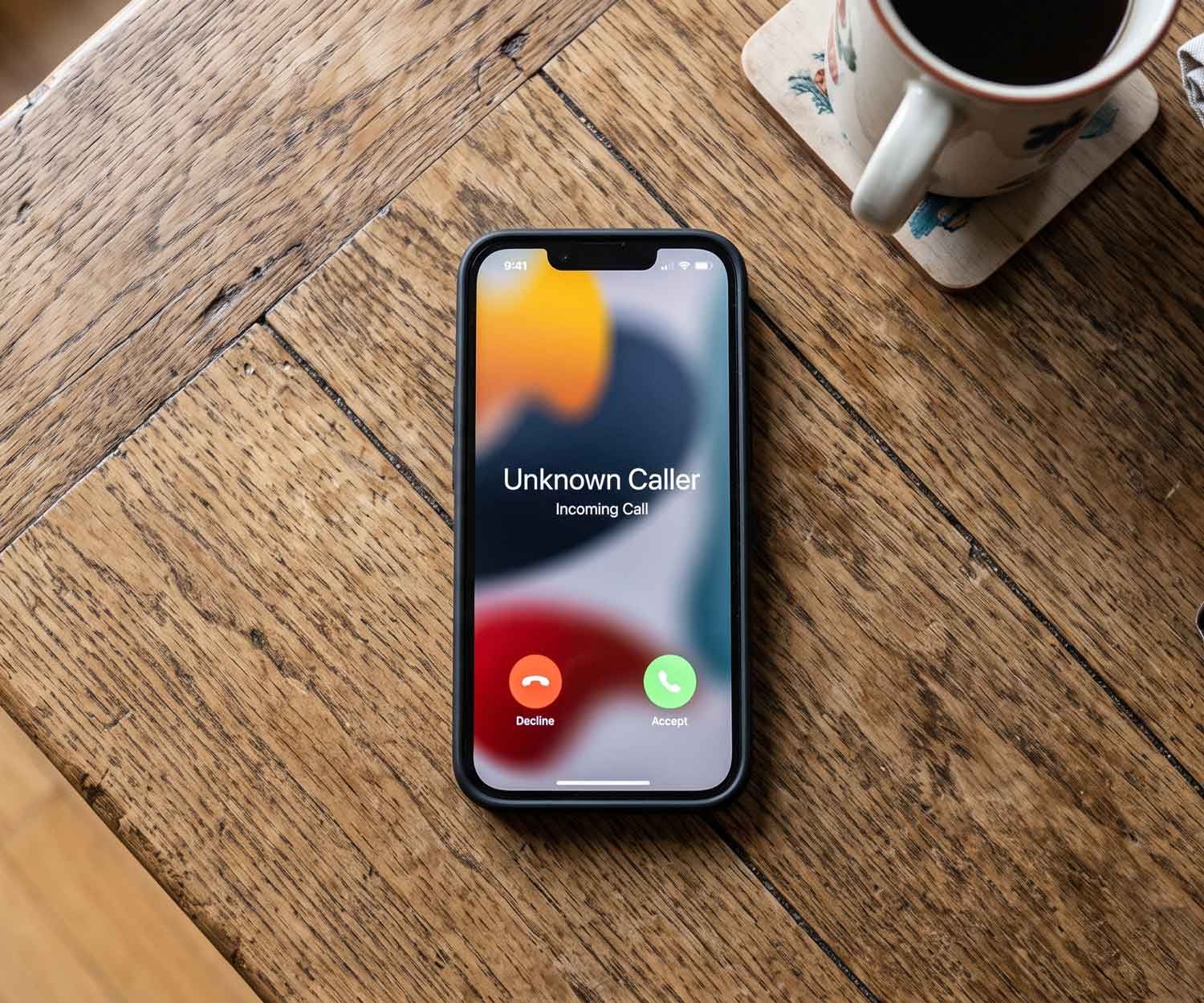
Because of the massive scale and complexity of Medicare, this essential program is sadly a frequent target of fraud and abuse. Scammers may try to steal your personal information, bill for services never rendered, or trick you into bogus plan offers. Not only can these scams cost taxpayers millions of dollars annually, but they may also compromise your identity, coverage, and peace of mind.
That’s why awareness and vigilance are key. Knowing how scams operate and what red flags to watch for is crucial for every Medicare beneficiary and their family members. You are the first line of defense to protect yourself and the broader Medicare program from scammers.
Learn more from Medicare.gov
Common Scams and Tactics to Watch Out For
Scams targeting Medicare beneficiaries come in many forms, but several commonly recur. Here are some of the most frequent:
- Fake “Medicare” Calls or Visits
Scammers often impersonate Medicare officials or agents, calling or sometimes even showing up in person. They may claim they need to “update your Medicare information,” issue a “new card,” or warn that your coverage is at risk unless you provide personal details. These communications can involve requests for your Medicare number, Social Security number, or even banking information. Legitimate Medicare or affiliated official programs will never cold‑call you for that kind of sensitive data.
- Phantom Billing or False Claims
In what’s sometimes called “phantom billing,” unscrupulous providers may bill Medicare for services, tests, or equipment that were never provided. This can include duplicative billing, billing for more expensive services than were rendered (known as “upcoding”), or submitting claims for unnecessary procedures.
- Free Medical Equipment or Services Offers
Scammers might contact you offering “free” medical supplies, equipment (like braces, wheelchairs, or test kits), or free tests — claiming Medicare will cover them. Their goal is often to get your Medicare or personal information upfront, then bill Medicare fraudulently, or even bill you for equipment you never requested or don’t need.
- Fake Plan Offers, Cancelling Threats, or Refund Schemes
Around open enrollment periods — when many beneficiaries are shopping or switching plans — scammers may offer “exclusive” Medicare Advantage or Part D plans that promise better benefits, lower costs, or free extras. Some may even claim you’re entitled to a refund or rebate. These offers usually require giving up personal or financial information. Similarly, fraudsters may threaten that your benefits will be canceled unless you provide information or pay a “processing fee.”
Smart Habits for Medicare Beneficiaries
Staying safe from Medicare scams largely comes down to cautious behavior, record‑keeping, and verifying all suspicious contact or billing. Below are recommended best practices:
- Guard Your Medicare Number Like Your Social Security Number
Never give your Medicare number or Social Security number to anyone over the phone or via email, unless you initiated the contact and are sure of the recipient’s identity.
- Be Skeptical of Unsolicited Contact
If you receive an unexpected call, letter, email, or visit claiming to be from Medicare, do not provide any personal or financial information. Instead, hang up or close the communication and verify by calling Medicare directly at
1‑800‑MEDICARE (1‑800‑633‑4227).
- Keep Track of Your Medical Services and Bills
Maintain a personal record of all medical visits, procedures, equipment, and services you receive. Keep receipts, statements, and calendars of dates for services — especially if you didn’t receive bills yourself. Then compare that with the official notices from Medicare.
- Review Your Medicare Notices Closely
Medicare sends out a notice (often called an MSN or Explanation of Benefits) when a claim is made. Review these carefully. If you see something you don’t recognize — services you didn’t receive, providers you never visited, or equipment you didn’t order — treat it as suspicious.
- Shred Old Documents and Cards
Dispose of any retired Medicare or Social Security cards securely. Old documents can still be used by fraudsters for identity theft.
- Avoid High‑Pressure Offers and “Free” Promises
Offers of “free” equipment or limited-time plan deals are often scams. If it sounds too good to be true — very likely it is. Always verify through official Medicare channels.
What to Do If You Suspect Fraud or a Scam
If you suspect something isn’t right — whether you got a suspicious call, received unexpected equipment, or saw incorrect billing — take action as soon as possible. Here are the main steps:
- Do not ignore it. Even small discrepancies can signal scam activity. Early detection is usually easier to resolve than problems discovered months later.
- Gather documentation. Include your Medicare number, provider information (name, address), dates and descriptions of the service in question, bills, explanation-of-benefits forms, and any other supporting statements.
- Report the fraud. You can:
- Call
1‑800‑MEDICARE (1‑800‑633‑4227) to report suspicious calls, billing, or unauthorized claims.
- Call the federal fraud hotline at
1‑800‑HHS‑TIPS (1‑800‑447‑8477).
- If you have a Medicare Advantage plan or a Part D drug plan, you can call the customer service or claims integrity line for those plans — or use the private contractor line, e.g.,
1‑877‑7SAFERX (1‑877‑772‑3379).
- Contact your local Senior Medicare Patrol (SMP), which can help you investigate and report suspected fraud, and advise on next steps. See
https://smpresource.org to find the phone number in your state.
- Stay vigilant. Continue reviewing your Medicare statements, and consider setting up safeguards such as appointment of a trusted relative to help monitor bills if memory or health becomes a concern.
Reporting Matters For the Good of All
While preventing scams protects your personal identity and coverage, it also serves a larger purpose. Fraud, waste, and abuse in Medicare divert funds away from legitimate patient care — draining taxpayer dollars and undermining trust in the system.
Programs like the Senior Medicare Patrol rely on tips from beneficiaries to investigate suspicious activity. Over the years, SMP volunteers have helped recover millions of dollars and prevented future fraud.
By staying alert and reporting what seems wrong, you’re helping preserve Medicare’s integrity — for yourself, your peers, and future generations.