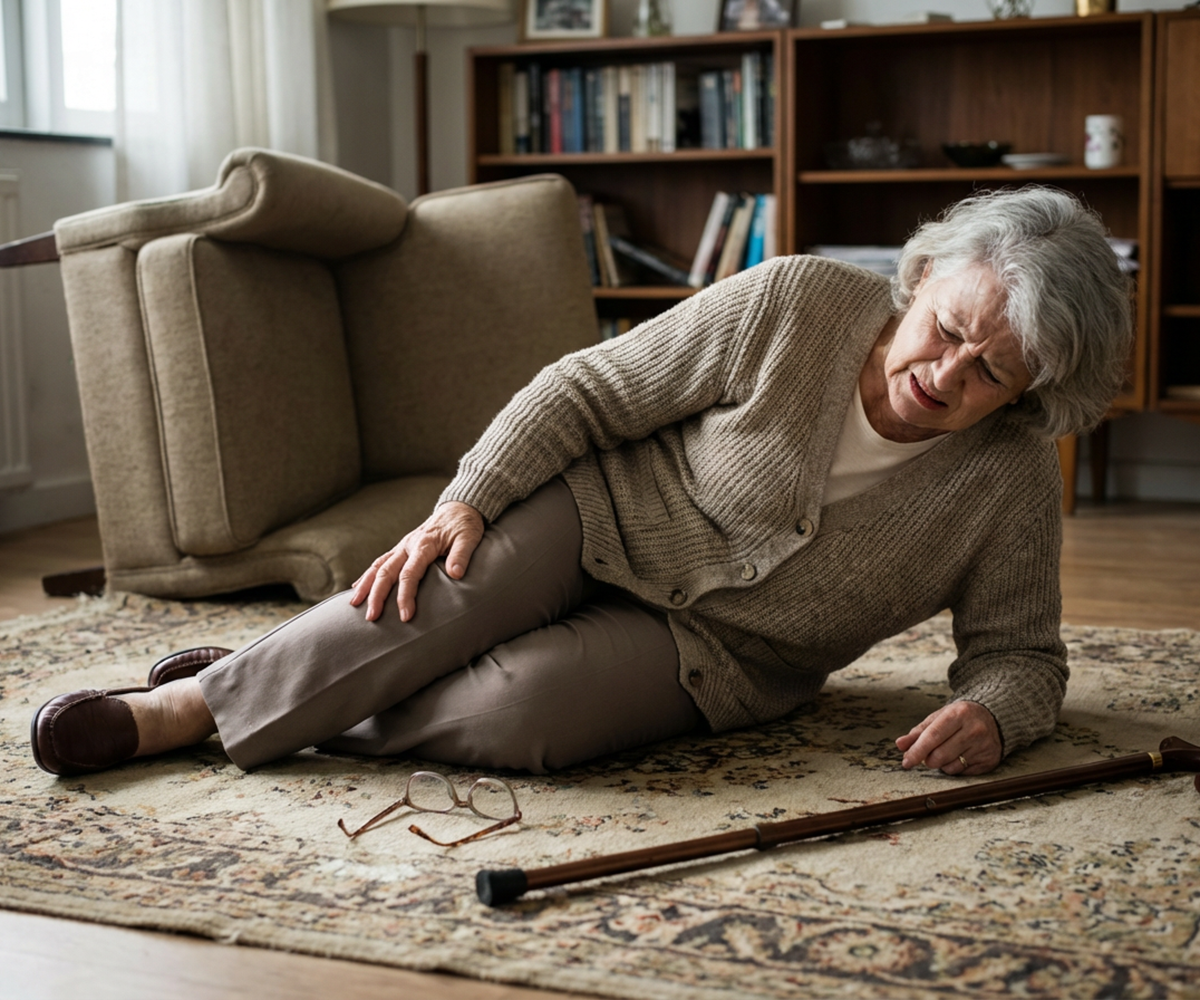
Falls are one of the most serious health risks facing older adults, yet they are also one of the most preventable. Each year, millions of seniors experience a fall, and many of these incidents occur when no one else is around to help. This is where fall monitors—also known as personal emergency response systems (PERS)—can make a life-saving difference. These devices provide 24/7 monitoring and instant access to help at the push of a button or even automatically through built-in sensors. Fall monitors aren’t just helpful technology; they are powerful tools that support independence, safety, and peace of mind for older adults and their families.
Fall monitors come in several varieties, including wearable pendants, wristbands, and smart sensors placed around the home. Many modern devices use advanced fall-detection technology that can automatically alert emergency services if a fall is detected, even if the user is unable to press a button. For aging adults who want to remain in their homes longer, these monitors act as a safety net, ensuring that help is always available. This rapid response is crucial because timely medical attention dramatically improves outcomes after a fall.
Medicare plays an important role in helping seniors access fall-prevention resources, but coverage can vary.
Original Medicare (Parts A and B) does not typically cover the cost of personal emergency response systems, including fall monitors. However, many
Medicare Advantage (Part C) plans now include supplemental benefits that may help pay for these devices—especially plans focused on chronic care management, safety benefits, or in-home support services. Because each
Medicare Advantage plan may choose whether to offer benefits beyond those covered by Medicare, it's important for beneficiaries to review their plan’s details or speak with a licensed Medicare agent to understand what is available in their area.
In addition to device coverage, Medicare offers preventive services aimed at reducing fall risk. This includes an annual wellness visit, during which a healthcare provider assesses fall risk, reviews medications, and recommends balance or mobility screenings.
Medicare Part B may also cover physical therapy to improve strength and stability when medically necessary. Combining these preventive services with a fall monitor creates a strong safety strategy that can significantly reduce the chances of serious injury.
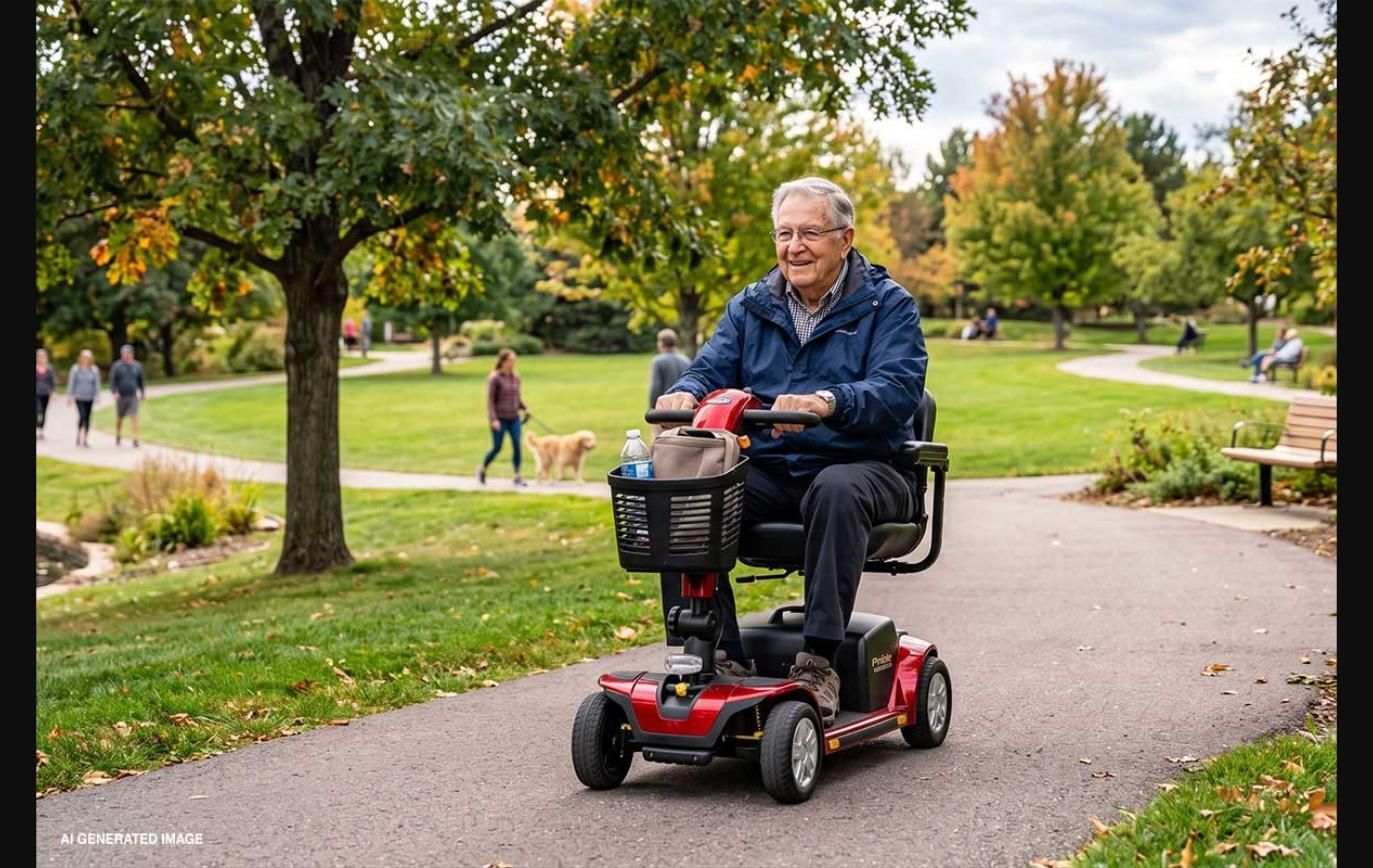
Fall monitors also provide emotional peace of mind. Many older adults fear falling more than they fear other health events, and that fear can limit activity and independence. Knowing that help is only a button-press away—or automatically detected—can restore confidence and encourage healthy, active living. Families also feel reassured knowing their loved one has reliable support around the clock, especially if they live alone or have a history of falls.
As technology continues to advance, fall monitors are becoming smarter, more affordable, and easier to use. For many seniors, they are no longer optional but essential. They offer immediate life-saving assistance, support safe aging at home, and complement Medicare’s preventive care benefits. For anyone looking to protect themselves or a loved one, exploring fall-monitor options and reviewing Medicare coverage is a meaningful step toward safer, more independent living.