Findings From a Landmark Study Confirm Dietary Impact
Many Americans rely on packaged and convenience foods to save time, but research suggests that diets high in ultra-processed foods make it easier to consume excess calories and gain weight.
A widely discussed study conducted by researchers at the National Institute of Diabetes and Digestive and Kidney Diseases (NIDDK) examined how processed foods affect eating habits and body weight. The findings provided some of the strongest evidence to date that the type of food we eat can influence how much we eat, even when calories and nutrients appear similar on paper.
Inside the Study
The study followed 20 adults who lived in a research facility for four weeks. Participants spent two weeks eating a diet rich in ultra-processed foods and two weeks eating a diet centered on minimally processed foods.
Importantly, both meal plans were designed to provide similar amounts of calories, fat, carbohydrates, sugar, sodium, and fiber. Participants were free to eat as much or as little as they wanted during each phase.
Examples of ultra-processed foods included packaged breads, sweetened cereals, flavored yogurts, and ready-made meals. The minimally processed diet emphasized foods such as fruits, vegetables, whole grains, eggs, nuts, and freshly prepared meals.
What the Researchers Found
The results were striking.
When participants followed the ultra-processed diet, they consumed about 500 additional calories per day on average. Over the two-week period, they gained roughly two pounds.
During the minimally processed diet phase, participants tended naturally to eat fewer calories, and they lost a similar amount of weight.
Researchers also observed changes in hormones that help regulate hunger and fullness. Participants eating the minimally processed diet experienced increases in hormones associated with feeling satisfied and decreases in hormones linked to hunger.
Why Might Processed Foods Lead to Overeating?
The study was not designed to identify a single cause, but researchers noted several possible explanations.
One factor was eating speed. Participants tended to eat processed foods more quickly than minimally processed foods. Foods that require more chewing may help slow down eating, giving the body more time to recognize fullness signals.
Texture, flavor combinations, and convenience may also play a role. Many ultra-processed foods are engineered to be highly appealing and easy to consume, making it easier to eat large portions before feeling satisfied.
What Counts as Ultra-Processed Food?
Not all processed foods are unhealthy. Frozen vegetables, canned beans, plain yogurt, and whole-grain bread are technically processed but can still be nutritious choices.
Ultra-processed foods are generally products that contain multiple ingredients, additives, flavorings, or preservatives and are far removed from their original form.
Examples include:
- Sugary breakfast cereals
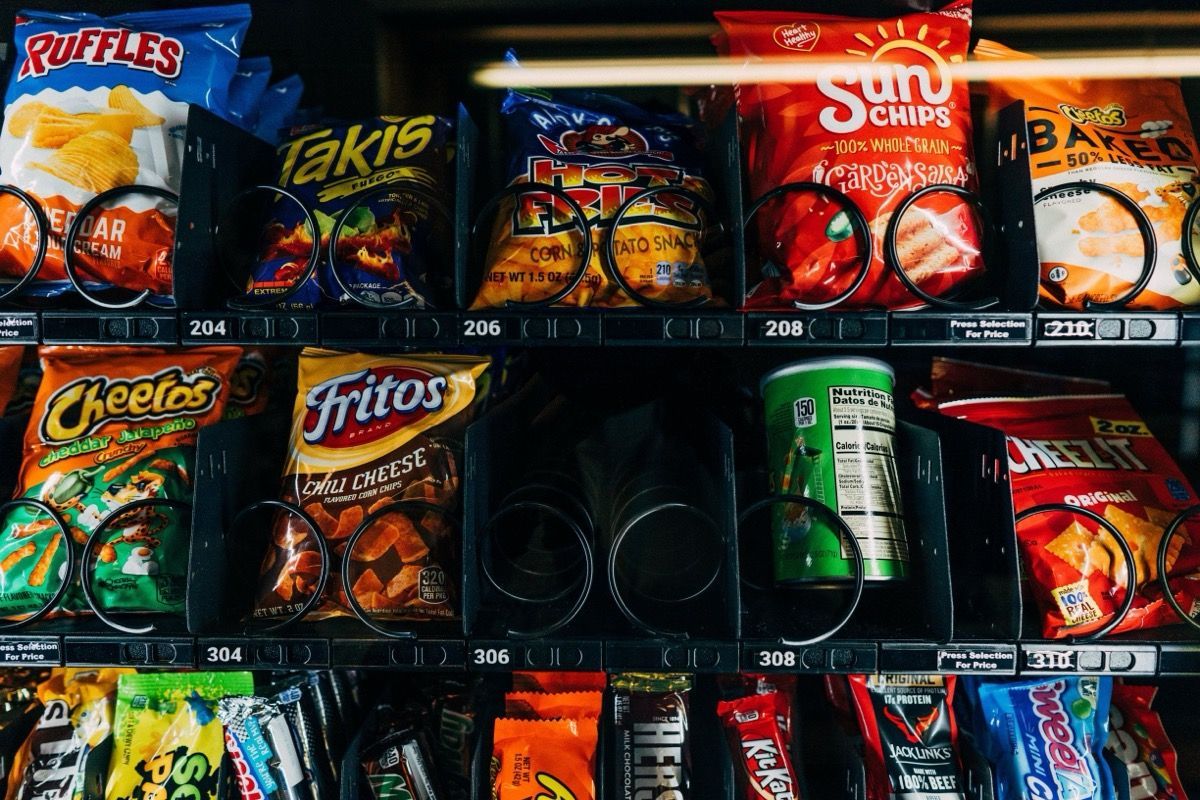
- Packaged snack foods
- Candy and desserts
- Sweetened beverages
- Many frozen dinners
- Processed meats such as hot dogs and some sausages
- Packaged baked goods
Practical Ways to Eat Less Processed Food
You do not need to eliminate processed foods entirely to improve your diet. Small changes can make a meaningful difference.
Consider these strategies:
- Fill half your plate with fruits and vegetables.
- Choose whole grains more often, such as oatmeal, brown rice, or quinoa.
- Include lean protein sources like fish, poultry, eggs, beans, or nuts.
- Prepare simple meals at home when possible.
- Keep nutritious snacks on hand, such as fruit, yogurt, nuts, or vegetables.
- Slow down during meals and pay attention to hunger and fullness cues.
Takeaways
This study suggests that diets high in ultra-processed foods may encourage people to eat more calories and gain weight, even when meals contain similar amounts of nutrients. While no single food determines your health, emphasizing whole and minimally processed foods may help support healthy weight management and overall well-being.
The goal is not perfection. Making gradual shifts toward more whole foods and fewer heavily-processed options can be a sustainable way to improve your eating habits over time.